
Blog
Evacuation Cribs and Child Care Fire Safety: What Centers Should Know
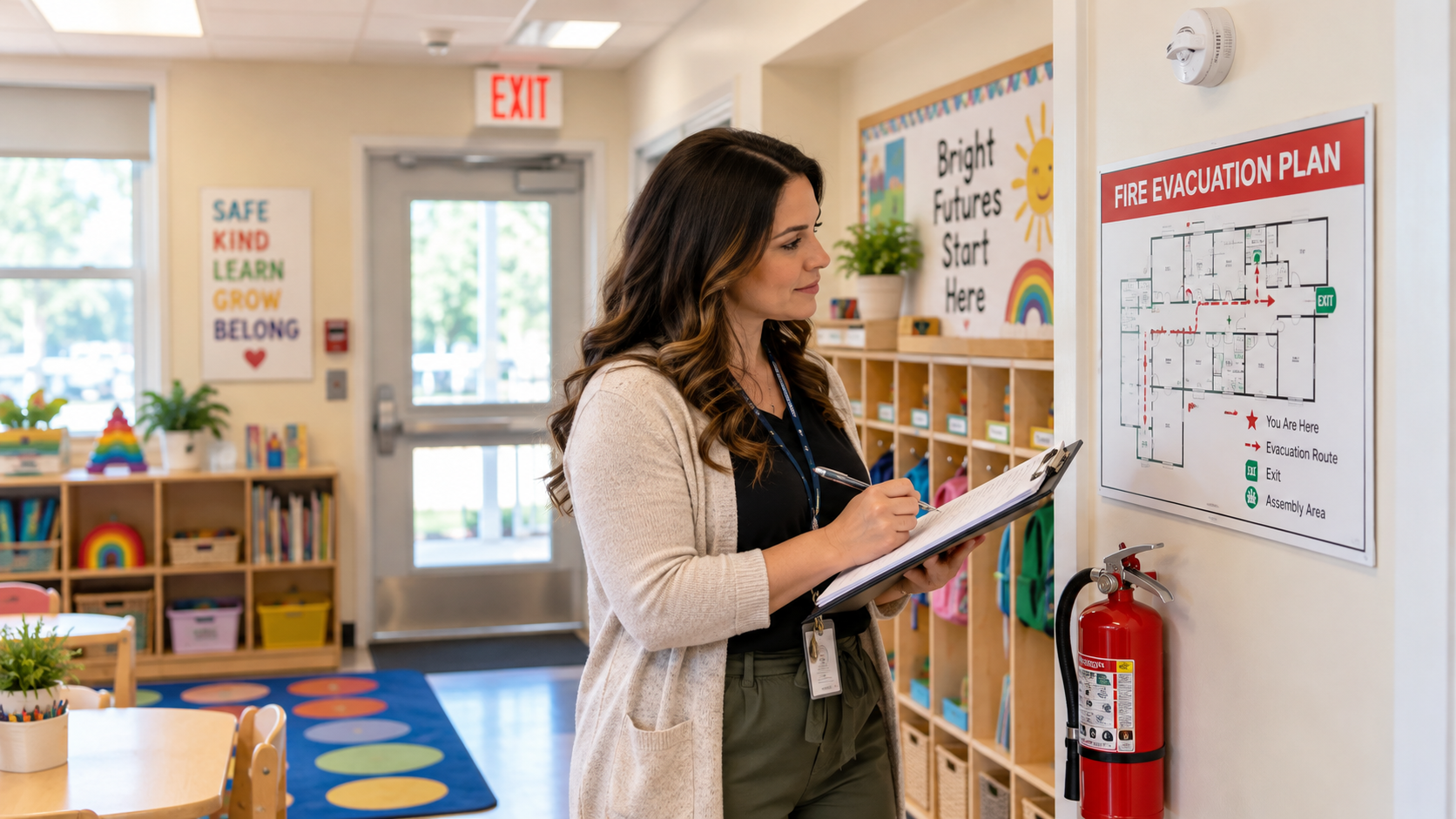
October is Fire Prevention Month, making it a good time for child care centers to review more than smoke detectors, fire extinguishers, and exit routes. For programs caring for infants and young toddlers, one important question deserves attention:
If we had to evacuate right now, how would we safely move every child out of the building?
Infants present a unique challenge during an emergency, They cannot reliably walk to an exit, understand verbal instructions, or evacuate independently. When several infants need to be moved at once, relying on staff members to carry children individually can make an already stressful situation significantly more difficult.
That is where evacuation cribs become an important part of a child care center’s emergency preparedness plan.
Why Infant Evacuation Requires Special Planning
Emergency preparedness regulations and recommendations for early childhood programs specifically recognize that infants, toddlers, and children with limited mobility require additional planning.
The Administration for Children and Families’ child care emergency preparedness guidance recommends placing evacuation cribs, wheel portable play yards, strollers, or a combination of these items near an exit so infants can be evacuated safely and efficiently. It also recommends assigning primary and backup staff members to assist infant caregivers during emergencies.
Federal child care guidance similarly emphasizes that evacuation plans should explain exactly how children will be moved from one location to another, how they will remain protected, how every child will be accounted for, and how families will be notified.
The goal is simple: when an alarm sounds, staff should already know who is responsible, where children will go, and how they will get there.
What Is An Evacuation Crib?
An evacuation crib is designed to help caregivers transport non-mobile children during an emergency. Depending on the model, features may include:
- Heavy-duty casters for moving along the evacuation route.
- Construction designed for institutional child care use.
- Handles or other features that support maneuvering.
- Markings that identify the crib for evacuation use.
Some models allow multiple infants to be transported together during an emergency. Always follow the manufacturer's instructions for emergency occupancy, weight limits, and use.
An evacuation crib supports your center's emergency procedures. Staff training, drills, and other fire safety measures still need to be part of the plan.
Why Speed and Organization Matter
Emergency evacuation is especially complicated in infant classrooms because caregivers are responsible for children who cannot evacuate themselves.
Planning ahead reduces the number of decisions staff members have to make during an actual emergency. Having evacuation equipment in a known location, identifying who will move it, and practicing the route during drills can help turn an emergency plan from a document in a binder into a procedure staff members can actually execute.
National Head Start emergency preparedness guidance recommends that early childhood programs maintain disaster preparedness plans and conduct emergency and evacuation drills. The guidance specifically identifies areas including emergency exits, smoke detection systems, fire extinguishers, evacuation procedures for children with special needs, daily rosters during evacuations, and crib safety.
Fire emergencies may be uncommon, but preparation matters precisely because there may be very little time to determine what to do once one occurs.
The Crib Itself Still Needs to Meet Safety Standards
Mobility should never come at the expense of crib safety. Child care facilities have been required to use cribs meeting applicable federal standards since December 28, 2012.
When selecting or inspecting an evacuation crib, check:
- Safety standards. Confirm the model meets applicable CPSC crib requirements.
- Approved use. Review the manufacturer's instructions for occupancy, mobility, maintenance, and emergency use.
- Hardware and structure. Look for missing, loose, broken, or improperly installed components.
- Wheels and brakes. Inspect casters and locking mechanisms according to the manufacturer's instructions.
- Overall condition. Check the mattress, support system, rails, and other components for damage or wear.
Address equipment concerns promptly so the crib is ready when your team needs it.
Five Questions to Ask During Your October Safety Review
Do we have an appropriate way to evacuate every non-mobile child?
Consider how many infants may be present during the busiest part of your day, not simply your average attendance.
Is evacuation equipment positioned where staff can reach it quickly?
Emergency preparedness guidance recommends positioning infant evacuation equipment near an exit.
Does every staff member know which crib or equipment is used for evacuation?
New staff, substitutes, float teachers, and administrators should understand the procedure as well as regular infant room teachers.
Have we practiced moving the crib through the actual evacuation route?
Doorways, thresholds, hallway turns, exterior surfaces, ramps, and other obstacles can look very different when moving a loaded crib.
Is our equipment in good working order?
Inspect wheels, brakes, hardware, crib structure, mattresses, and other components regularly. CPSC guidance recommends checking cribs for missing, loose, broken, or improperly installed hardware and other conditions that could create safety hazards.
This October, take a few minutes to review each infant classroom and ask one simple question: if we had to evacuate today, are we prepared to move every child safely?
Looking to Update Your Evacuation Cribs?
North Star School Supply currently has evacuation cribs available at special pricing, with additional quantity discounts for larger orders. Whether you need to replace a single crib, update multiple infant classrooms, or outfit several locations, we can help you find the most cost-effective option.
View our evacuation crib special and ask about quantity pricing.